 Neighbourhood Guide
Coquitlam Neighbourhood Guide
Where to live, what homes cost, and what daily life is really like in one of Metro Vancouver’s fastest growing cities.
July 2026
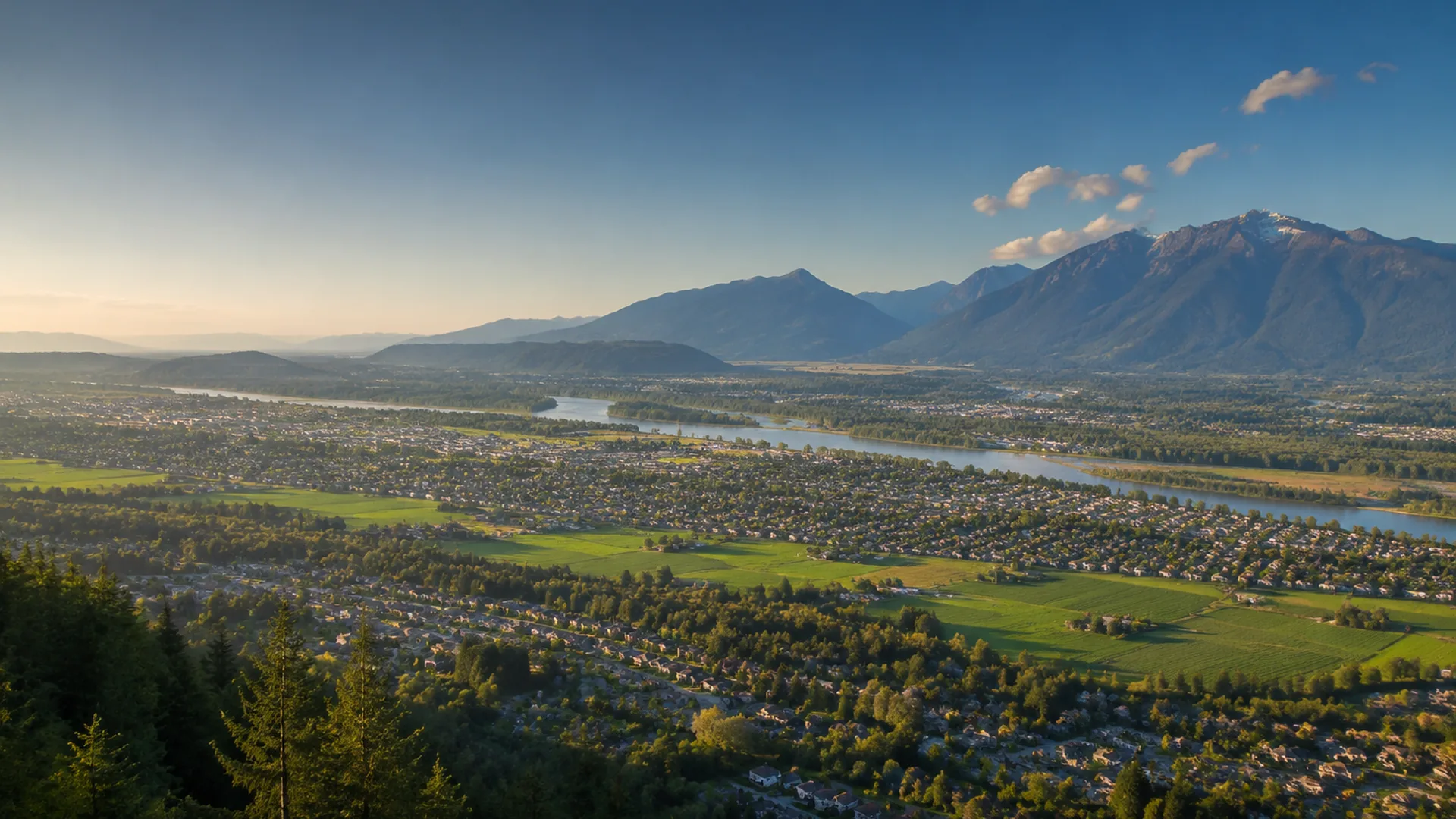
Coquitlam is a suburban city in the Lower Mainland, roughly 25 to 30 kilometres east of downtown Vancouver, and the largest of the three Tri-Cities alongside Port Coquitlam and Port Moody. It borders Burnaby to the west, climbs into forested mountainside to the north, and meets the Fraser River to the south.
With a population near 148,000 (approximate, 2024), Coquitlam offers a rare combination for the region: more space and value than Vancouver or Burnaby, over 80 parks and natural areas, and a fast SkyTrain link into the regional core. It is also strikingly diverse, with close to half of residents born outside Canada.
The neighbourhoods of Coquitlam
Coquitlam is really a collection of distinct areas, each with its own age, price point and personality. Here are the ones that matter most when you are deciding where to buy.
Burke Mountain
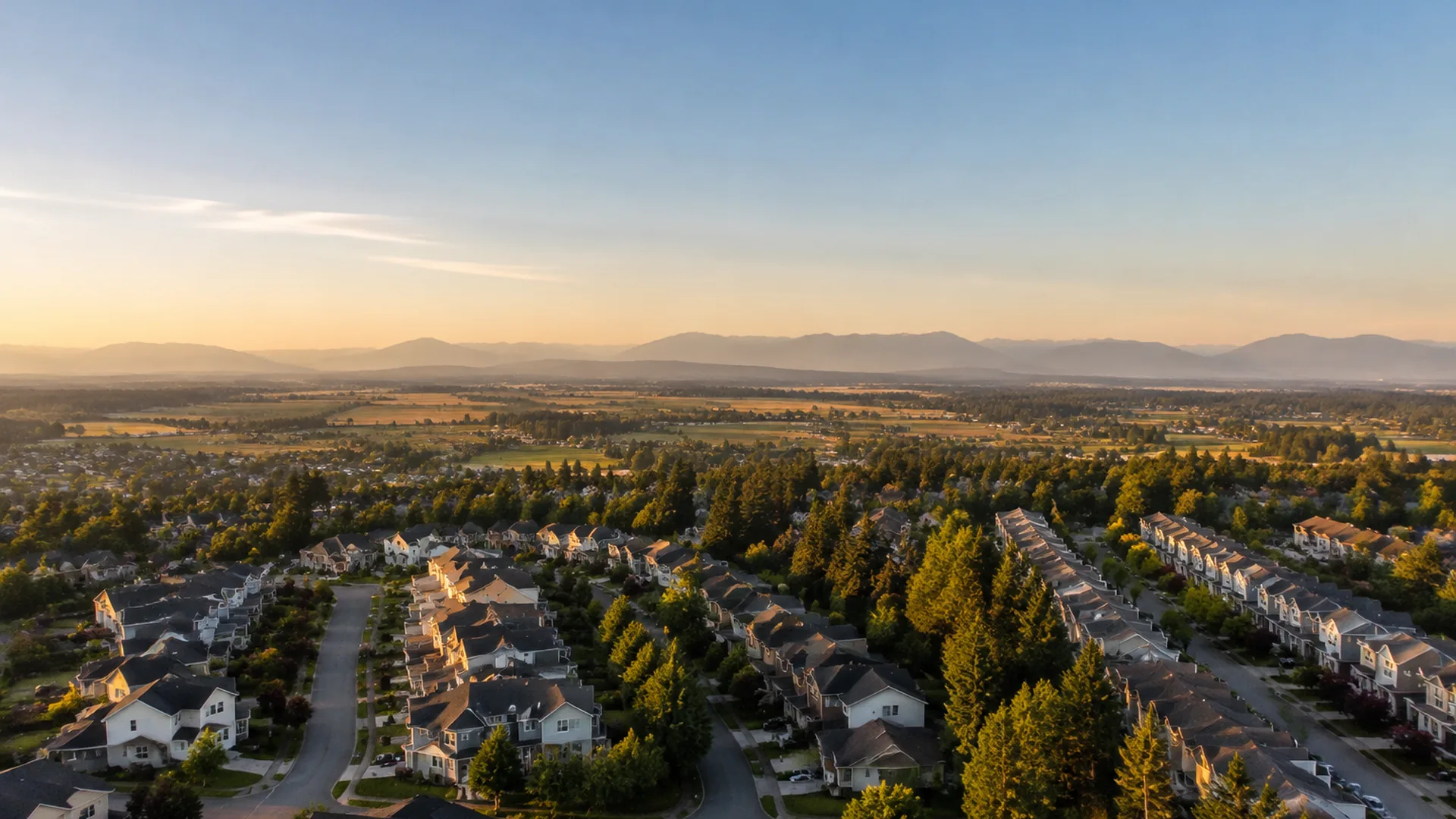
Coquitlam’s newest frontier. A master planned community of newer single family homes and townhomes climbing the lower slopes, with new schools, shops and parks. The natural choice for buyers who want a brand new or nearly new home. It sits farthest from SkyTrain, so most households here drive or bus down to Coquitlam Central.
City Centre (Town Centre)
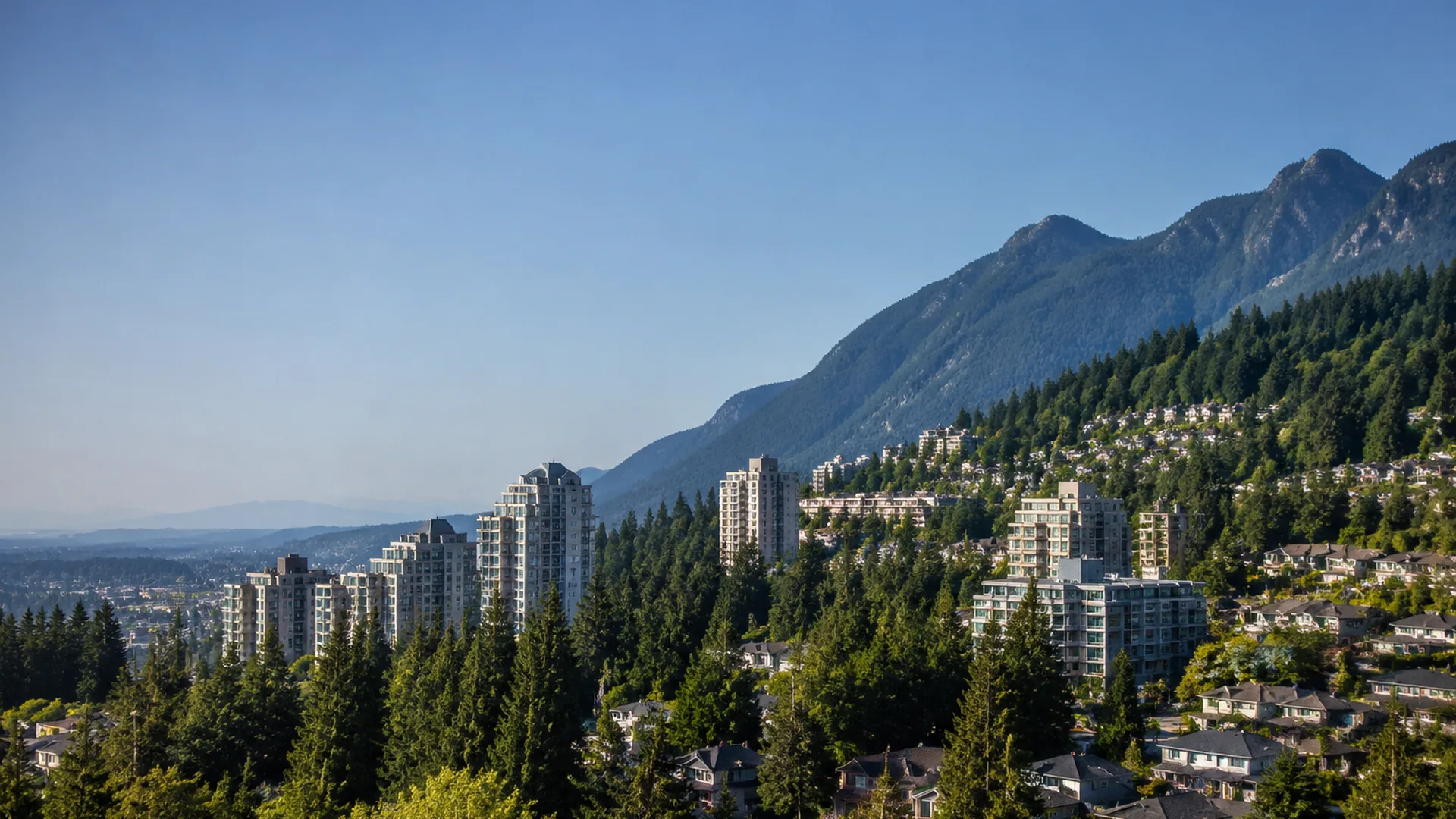
The modern downtown, anchored by Coquitlam Centre mall, Lafarge Lake, Town Centre Park and 2 SkyTrain stations. Housing is mostly condos and townhomes, much of it new high rise, which makes it ideal for first time buyers, downsizers and anyone who wants to live car light and walk to the train.
Westwood Plateau
An upscale family enclave on a ridge, developed largely in the 1990s and 2000s. Known for large executive homes, often 2,500 to 4,000 square feet, with views and a golf course. Car oriented and family first, trading transit convenience for size and privacy.
Eagle Ridge and Central Coquitlam
Established, leafy family neighbourhoods of mostly single family homes, with the famous Coquitlam Crunch trail running through. Austin Heights and Ranch Park offer older detached homes on real lots at prices below the newest areas, plus central location and redevelopment upside.
Burquitlam and Maillardville
Burquitlam, next to Burnaby, is transforming fast around its SkyTrain station, with condo towers and the largest Korean shopping district in Metro Vancouver along North Road. Maillardville is the oldest French Canadian settlement in Western Canada, with heritage character and the annual Festival du Bois.
Housing and the real estate market
Coquitlam offers the full spectrum of housing, and the mix is unusually balanced: roughly 35 percent detached houses, close to 49 percent townhouses and attached homes, and about 15 percent apartments (approximate). That heavy townhome share is a big reason families priced out of a detached house still choose Coquitlam.
Prices move with the market, so treat these as approximate and dated. As of mid 2026, detached houses commonly ran about $1.4 million to $1.7 million, townhouses around $1 million, and condos around $650,000, all varying significantly by neighbourhood, age and timing. Compared with Vancouver or Burnaby, the same budget generally buys more interior space, more parking and more yard here.
New development is a defining feature. City Centre and Burquitlam have a steady pipeline of condo towers near SkyTrain, while Burke Mountain keeps releasing new single family and townhome phases, so comparing a brand new build against a resale home is now routine.
Schools
Coquitlam sits within School District 43, one of the largest districts in British Columbia, serving the Tri-Cities plus Anmore and Belcarra with roughly 45 elementary, 14 middle and 11 secondary schools (approximate). It has a strong academic reputation and runs one of the largest French Immersion programs in the province, across about 20 schools.
Post secondary is close and convenient. Douglas College operates a major campus right in City Centre, steps from the Lafarge Lake-Douglas SkyTrain station, and SFU on Burnaby Mountain and BCIT are both a short trip away.
Getting around and the commute
Transit is one of Coquitlam’s biggest selling points. The Evergreen Extension of the Millennium Line SkyTrain opened in 2016 with stations at Burquitlam, Coquitlam Central and Lafarge Lake-Douglas. From City Centre, downtown Vancouver is roughly 40 minutes by train, with no traffic to fight. The West Coast Express commuter train also serves Coquitlam Central during peak hours.
By car, the Lougheed and Barnet highways handle east west travel and Highway 1 to the south reaches Burnaby, Vancouver and the Fraser Valley. Drive times downtown commonly run 35 to 60 minutes depending on traffic. The rule across Coquitlam: the closer you live to a station, the less your day depends on the highway.
Amenities and lifestyle
Coquitlam punches above its weight on lifestyle. Town Centre Park and Lafarge Lake offer a stocked lake with a loop trail, sports fields, a spray park and an outdoor performance plaza, and every winter the park hosts Lights at Lafarge, the largest free outdoor winter light display in Metro Vancouver.
For the outdoors, the Coquitlam Crunch is a steep, free 2.2 kilometre climb, and Mundy Park is one of the largest urban forests in the region at roughly 178 hectares. On the everyday side, Coquitlam Centre is the largest mall in the Tri-Cities, and the dining scene reflects the city’s diversity, from Korean restaurants on North Road to a broad spread of Asian, Middle Eastern and European options.
Pros and cons of living in Coquitlam
No honest guide skips the tradeoffs. Here is the balanced view.
Pros
- More space and value than Vancouver or Burnaby, especially for townhomes
- Fast, direct SkyTrain to downtown Vancouver, about 40 minutes from City Centre
- Exceptional parks and outdoor life, from Lafarge Lake to Mundy Park
- Strong schools through SD43 plus Douglas College right in town
- A diverse, growing community with excellent food and shopping
Cons
- Detached homes remain expensive, in line with the wider Metro Vancouver market
- Best transit is concentrated in City Centre and Burquitlam; hillside areas are car dependent
- Rapid growth brings density and traffic to the town centre corridors
- Wet Lower Mainland winters, as everywhere in the region
Frequently asked questions
Is Coquitlam a good place to live?
Yes, for the right buyer. Coquitlam pairs strong schools, big parks and direct SkyTrain access to Vancouver with more space and value than the western suburbs. It suits families, commuters and downsizers. The main tradeoffs are high detached home prices and car dependence in the hillside neighbourhoods.
How much does a house cost in Coquitlam?
Prices move constantly, so treat these as approximate and dated. As of mid 2026, detached houses commonly ran about $1.4 million to $1.7 million, townhouses around $1 million and condos around $650,000, varying by neighbourhood and timing. Ask for a current update on a specific home type or area.
How far is Coquitlam from downtown Vancouver?
Coquitlam City Centre is roughly 25 to 30 kilometres from downtown Vancouver. By SkyTrain the trip takes about 40 minutes. By car it is commonly 35 to 60 minutes depending on traffic.
Does Coquitlam have SkyTrain?
Yes. The Evergreen Extension of the Millennium Line opened in 2016, with stations at Burquitlam, Coquitlam Central and Lafarge Lake-Douglas. Coquitlam Central also connects to the West Coast Express into downtown Vancouver.
What are the best neighbourhoods in Coquitlam for families?
Popular family choices include Burke Mountain for newer homes and schools, Westwood Plateau and Eagle Ridge for larger houses and nature, and City Centre for condo or townhome living close to transit and parks. The right pick depends on budget and how much you value transit versus space.
What school district is Coquitlam in?
Coquitlam is served by School District 43, one of the largest in BC, with a wide range of programs including one of the province’s largest French Immersion programs. Douglas College also operates a campus in Coquitlam City Centre.